Get Tree Shaping Service
Tree Shaping Service providers help property owners with projects like shaping, pruning, and training trees and woody plants to improve aesthetics, safety, and functionality.
Tree shaping services offer a versatile solution for property owners interested in enhancing their outdoor spaces. Whether aiming to create functional structures, improve landscape aesthetics, or incorporate natural elements into architectural designs, local contractors specializing in tree shaping can provide tailored options to meet these goals. Exploring these services allows property owners to compare different approaches and find solutions that align with their vision, ensuring their projects are thoughtfully planned and executed.
For those considering landscape improvements or unique architectural features, working with experienced service providers can help bring ideas to life while maintaining the health and integrity of existing trees. Property owners in the area can explore various local contractors to assess their offerings and expertise, making informed decisions about how to incorporate tree shaping into their property development plans. Continuing to read can provide valuable insights into available options and the benefits of working with local professionals.
- Tree Sculpting - when trees need artistic shaping or aesthetic pruning.
- Living Fences - for creating natural privacy screens or boundary markers.
- Structural Tree Work - to reinforce or modify trees that support structures or pathways.
- Tree Integration in Landscaping - when incorporating trees into custom landscape designs.
- Tree Art Installations - for unique, artistic tree modifications or living sculptures.
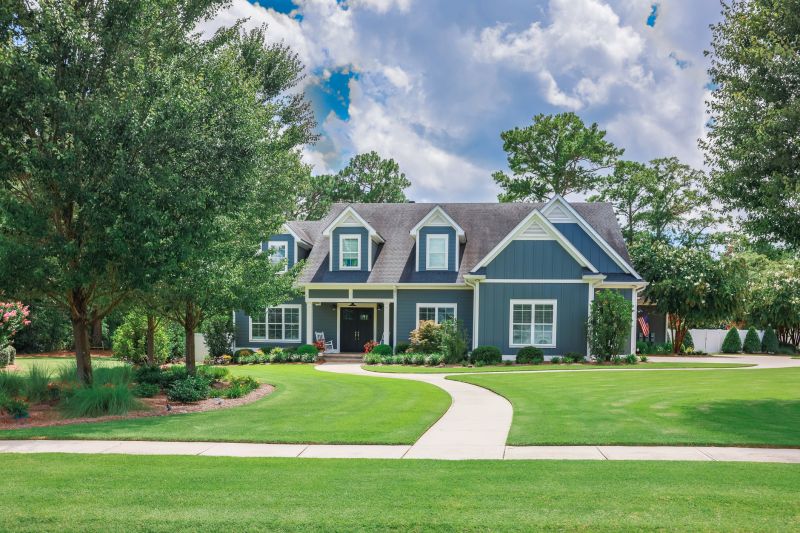
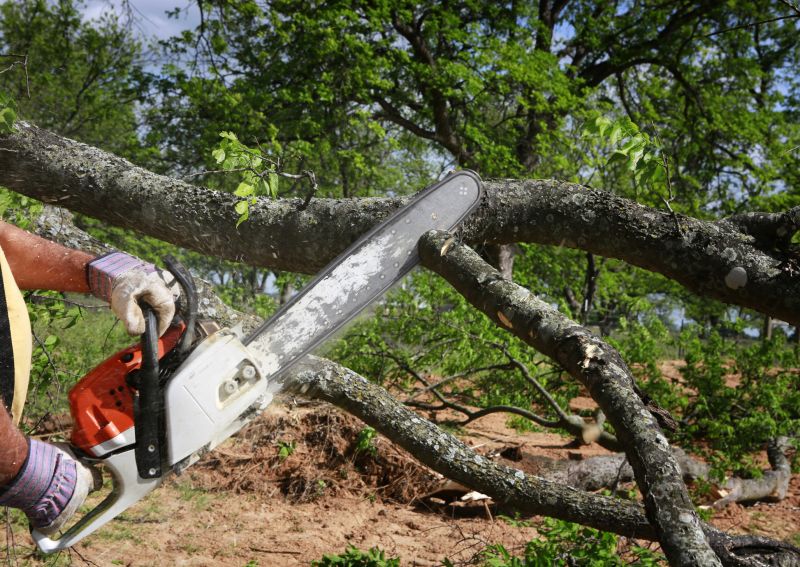
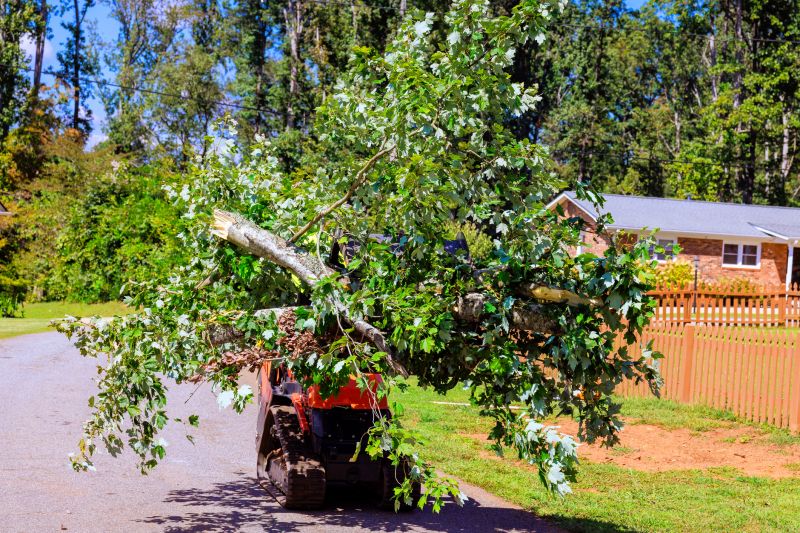
Tree shaping services involve the careful training and guiding of trees to grow in specific forms or structures. This process typically includes pruning, wiring, and supporting branches to develop desired shapes, whether for aesthetic purposes, functional design, or space optimization. Skilled service providers work with homeowners to create living structures such as archways, benches, or decorative features that blend natural beauty with practical use. The goal is to shape trees in a way that enhances the property's appearance while maintaining the health and vitality of the trees themselves.
This service can help address several common problems homeowners encounter. Overgrown or unruly trees may obstruct views, interfere with utility lines, or create safety hazards due to falling branches. Additionally, poorly maintained trees can develop structural weaknesses or disease, leading to potential damage during storms or high winds. Tree shaping can also be used to correct existing growth issues or to prevent future problems by training trees early in their development. This proactive approach helps maintain a safe, attractive, and well-organized landscape.
Properties that typically utilize tree shaping services include residential homes with large yards, gardens, or landscaped frontages. Commercial properties, parks, and community spaces also benefit from these services to create inviting, functional outdoor environments. In urban areas, where space is limited, shaping trees can help maximize usable outdoor areas and improve safety by reducing hazards. Whether for aesthetic enhancement, safety, or functional design, many property types find tree shaping to be a valuable addition to their landscape maintenance plans.
Homeowners who notice overgrown branches, uneven growth, or structural concerns may consider tree shaping services to improve their property's appearance and safety. It is also a helpful solution for those wanting to incorporate artistic or architectural elements into their landscape. By working with experienced local contractors, property owners can achieve custom shapes and structures that complement their overall design goals. Contacting a professional can ensure the work is done correctly, promoting healthy growth while enhancing the visual appeal of the outdoor space.
The overview below groups typical Tree Shaping Service projects into broad ranges so you can see how smaller, mid-sized, and larger jobs often compare in your area.
In many markets, a large share of routine jobs stays in the lower and middle ranges, while only a smaller percentage of projects moves into the highest bands when the work is more complex or site conditions are harder than average.
Smaller Tree Shaping Projects - Typical costs range from $250-$600 for routine shaping or pruning jobs. Many standard jobs fall within this middle range, depending on tree size and complexity.
Moderate Tree Shaping Services - More involved shaping or training projects usually cost between $600-$1,500. Larger or more detailed work can push costs higher, but most projects stay within this band.
Large or Complex Tree Shaping - Extensive shaping, training, or structural modifications can range from $1,500-$3,500. These projects are less common and tend to be on the higher end due to their scope.
Full Tree Replacement or Major Reshaping - Complete overhauls or significant structural work can cost $3,500 or more, with larger, more intricate projects reaching $5,000+ depending on the size and complexity involved.
Actual totals will depend on details like access to the work area, the scope of the project, and the materials selected, so use these as general starting points rather than exact figures.
Living Fence Construction - local contractors can shape living fences using similar pruning, training, and planting techniques as tree shaping services.
Arboricultural Design Projects - skilled arborists and landscape designers utilize planning and structural skills comparable to those in tree shaping work.
Botanical Sculpting - professionals in botanical sculpture craft living art pieces through precise pruning and plant training methods akin to tree shaping.
Topiary Garden Design - creating ornamental topiary involves shaping and training plants, requiring similar planning and trimming skills as tree shaping services.
Living Archway Installation - constructing living archways involves plant training and structural planning similar to shaping trees into architectural forms.
Ornamental Tree Pruning - detailed pruning and training of trees for aesthetic forms aligns with the techniques used in tree shaping projects.
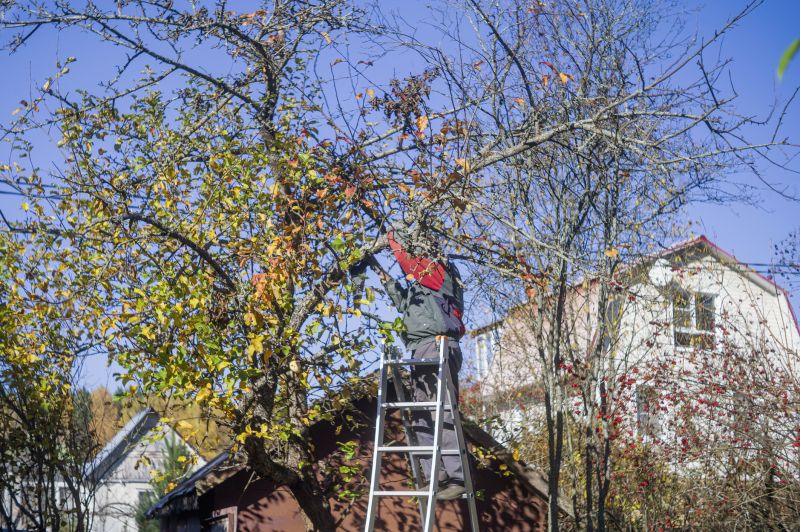
When comparing local contractors for tree shaping services, it’s important to consider their experience with similar projects. Look for service providers who have a proven track record of handling tree shaping or related arboricultural work. An experienced professional is more likely to understand the nuances of different tree species, growth patterns, and the best techniques to achieve desired results. Asking for examples of past work or references related to tree shaping can provide insight into their expertise and help ensure they have the relevant background for the job at hand.
Clear written expectations are essential for a successful project. When evaluating potential service providers, seek out those who can provide detailed descriptions of their services, including the scope of work, methods used, and any specific outcomes that will be achieved. Having a transparent plan helps prevent misunderstandings and ensures that both parties are aligned on what the project entails. It’s also helpful to request written estimates or proposals that outline the work to be performed, so expectations are documented and can be referenced throughout the process.
Good communication and reputable references are key indicators of a reliable service provider. Reputable contractors should be willing to share references from previous clients who can speak to their professionalism and quality of work. Open and responsive communication throughout the inquiry process can reveal how well the provider listens, clarifies details, and addresses questions. These qualities contribute to a smoother experience and increase the likelihood that the project will be completed to satisfaction. Keep in mind that this site introduces homeowners to local options for tree shaping services, but does not perform the work itself.
Property owners use Tree Shaping Service services for practical projects around their homes and businesses. This guide focuses on everyday jobs and straightforward project options.
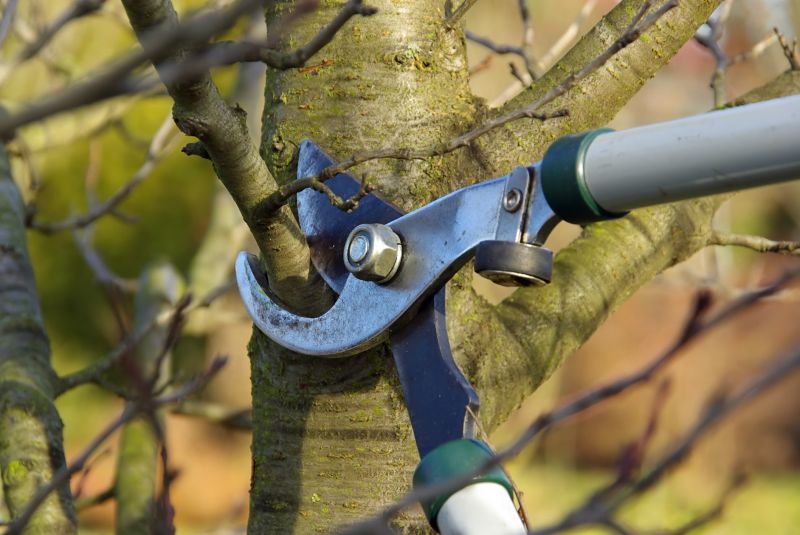
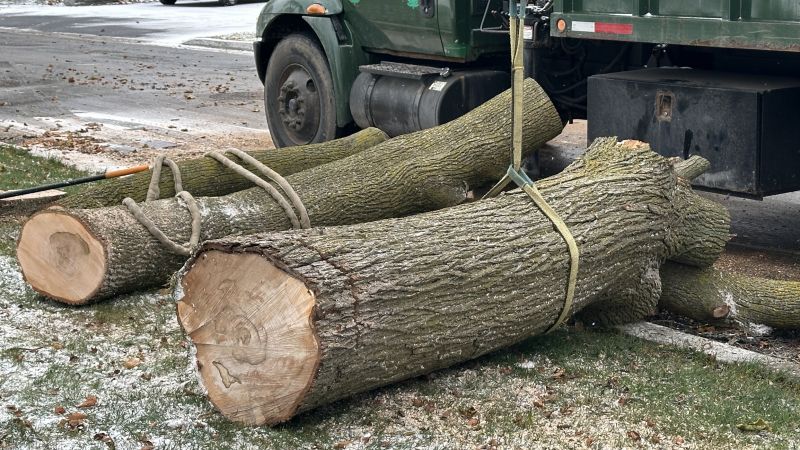
Tree shaping services are often sought after by property owners dealing with overgrown or unsightly trees that impact the appearance or functionality of their outdoor spaces. Whether it's pruning for better curb appeal, removing hazardous branches, or shaping trees to fit specific landscape designs, local contractors can help maintain healthy and attractive trees. These services are also useful for those looking to enhance privacy, create shaded areas, or prevent potential damage caused by falling limbs during storms.
Homeowners and property managers may seek tree shaping work when preparing for special events or property improvements, ensuring their outdoor areas look well-kept and inviting. Additionally, property owners might turn to local service providers to address safety concerns related to overgrown or poorly maintained trees that could pose risks to people or structures nearby. Connecting with experienced local contractors ensures that tree shaping needs are handled efficiently and professionally.
What is tree shaping service? Tree shaping service involves trained contractors sculpting and training trees into specific forms or structures to enhance landscape aesthetics or create functional features.
What types of trees can be shaped? Local service providers can work with various tree species, including hardwoods, softwoods, and ornamental trees, depending on the desired outcome.
Is tree shaping suitable for small or large trees? Tree shaping can be performed on both small saplings and mature trees, with the approach tailored to the size and health of each tree.
What are common purposes for tree shaping? Tree shaping is often used for decorative purposes, creating living fences, artistic sculptures, or functional structures like seating or arches.
How do local contractors ensure the health of the trees? Professional tree shaping service providers use techniques that minimize stress and damage to the trees, promoting healthy growth during and after the shaping process.
Tree Shaping for Functional Outdoor Spaces - Property owners can work with local contractors to create custom benches, tables, or other structures integrated into existing trees for practical outdoor use.
Personalized Garden Design - Local service providers can help shape trees into decorative features that enhance the aesthetic appeal of a yard or garden.
Space-Saving Solutions - Tree shaping can be used to develop natural archways or living fences that serve as functional boundaries or pathways.
Creative Landscape Features - Property owners might collaborate with local pros to craft artistic or whimsical tree sculptures that add unique character to outdoor areas.
If you are thinking about Tree Shaping Service for a property, this guide is meant to help you understand the work, the typical project types, and how different options might fit your plans.
When you are ready, you can use the quote form on this page to share a few details about your project. From there, local pros can review the basics and respond with options that match what you have in mind.