Get Tree Canopy Thinning
Tree Canopy Thinning services help property owners improve safety, reduce overgrown branches, and enhance landscape appearance by connecting them with local contractors experienced in pruning and thinning trees.
Tree canopy thinning services are a practical consideration for property owners looking to manage the health and safety of their trees. Properly planned thinning can help improve air circulation, reduce the risk of storm damage, and promote healthier growth. If you are exploring options to maintain or enhance the safety and appearance of your landscape, you are in the right place to learn more about how local contractors can assist with these projects.
Property owners in the area often turn to experienced service providers to carefully evaluate their trees and develop tailored thinning plans. Comparing local contractors can help ensure that the work is performed effectively and in accordance with your property’s specific needs. Keep reading to find out how professional tree canopy thinning services can support your landscape management goals.
- when trees have become too dense, reducing light and air circulation. - to improve tree health and vitality by removing excess canopy growth. - in preparation for storm season to minimize wind damage risks. - to promote the growth of understory plants and native vegetation. - when overgrown canopies threaten nearby structures or power lines.
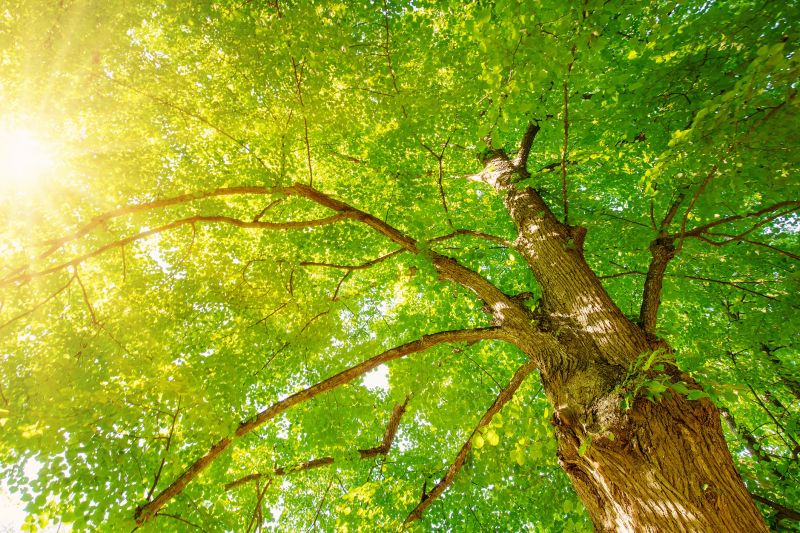
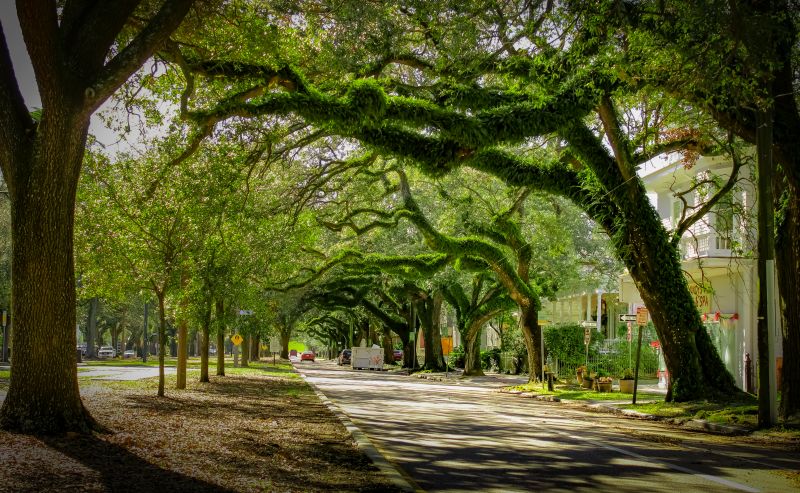
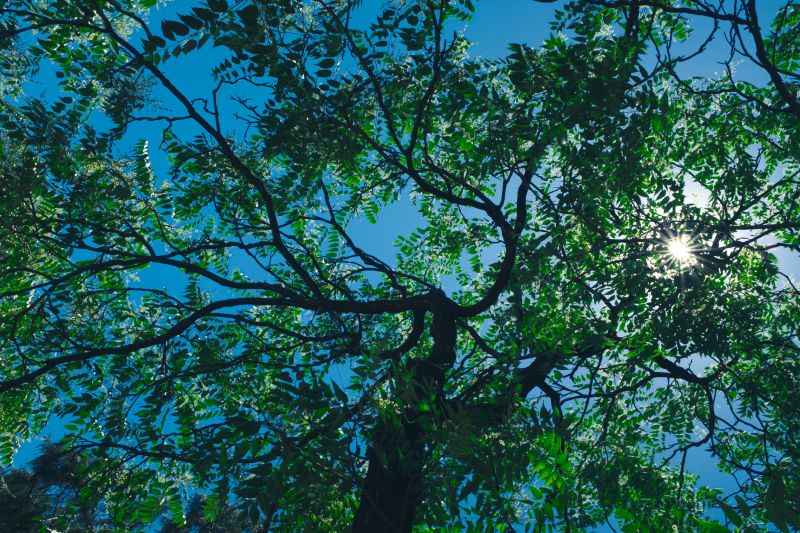
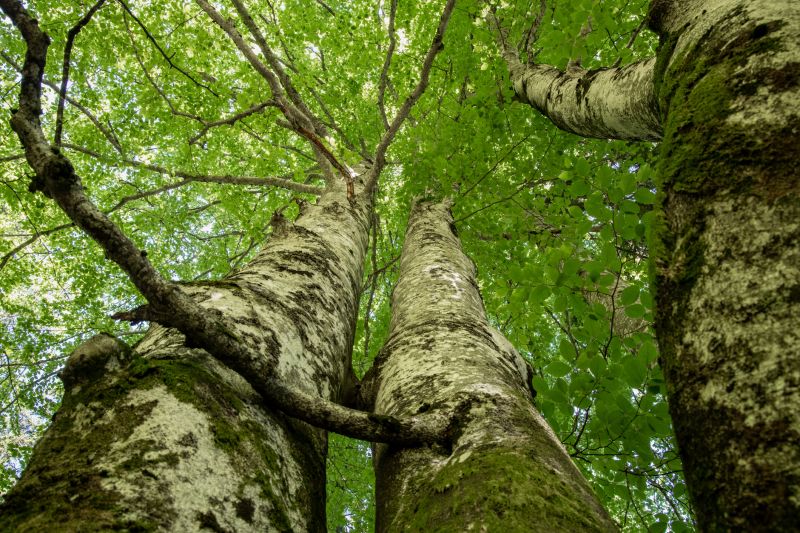
Tree canopy thinning services involve carefully reducing the density of branches and foliage in a tree’s upper layers. This process helps improve air circulation and sunlight penetration throughout the canopy, promoting healthier growth and reducing the risk of damage from wind or heavy snow. Skilled contractors assess each tree’s structure to determine which branches can be safely trimmed without harming the overall health of the tree. The goal is to create a balanced, open canopy that supports the tree’s longevity while enhancing the aesthetics of the property.
This service is often sought to address common problems such as overgrown branches that threaten to fall or cause damage, excessive shade that limits growth of grass and garden beds, and the buildup of debris that can lead to pest infestations or disease. Thinning can also help reduce the weight on weak branches, lowering the risk of limb failure during storms. Property owners who notice dead or diseased branches, or who want to prevent potential hazards, typically find tree canopy thinning to be a practical solution for maintaining safety and tree health.
Properties that frequently utilize canopy thinning include residential yards with mature trees, commercial properties with landscaped grounds, and community parks or recreational areas. Homes surrounded by large, dense trees may need thinning to prevent limbs from interfering with power lines, roofs, or windows. Business owners often opt for this service to maintain a clean, inviting appearance and to ensure that trees do not obstruct signage or pathways. Public spaces also benefit from thinning to promote healthier, safer trees that can continue to provide shade and aesthetic value.
Homeowners and property managers might consider tree canopy thinning when they observe signs of overcrowding, such as excessive leaf drop, broken branches, or limited sunlight reaching the ground. It is also a recommended step when preparing for storm season, as reducing the weight and density of branches can help prevent damage during strong winds. Connecting with local service providers can help determine if thinning is appropriate and ensure that the work is performed safely and effectively, supporting the ongoing health and safety of trees on the property.
The overview below groups typical Tree Canopy Thinning projects into broad ranges so you can see how smaller, mid-sized, and larger jobs often compare in your area.
In many markets, a large share of routine jobs stays in the lower and middle ranges, while only a smaller percentage of projects moves into the highest bands when the work is more complex or site conditions are harder than average.
Smaller Repairs - Minor thinning or selective branch removal typically cost between $250 and $600 for many routine jobs. These projects are common and usually fall within this middle range. Larger or more complex repairs may exceed this estimate.
Moderate Thinning - Moderate canopy thinning, involving significant branch removal to improve health or light, generally ranges from $600 to $1,200. Many local contractors handle these projects within this band, though some larger jobs can go higher.
Extensive Thinning or Crown Reduction - Large-scale thinning or crown reduction projects often cost between $1,200 and $3,000, depending on tree size and complexity. These are less common but handled regularly by experienced service providers.
Full Canopy Replacement - Complete canopy removal and replacement can range from $3,000 to $5,000 or more, especially for mature or multiple trees. Such extensive work is less frequent and typically involves detailed planning and execution by specialized contractors.
Actual totals will depend on details like access to the work area, the scope of the project, and the materials selected, so use these as general starting points rather than exact figures.
Tree Pruning and Shaping - local contractors skilled in selective trimming can help manage tree growth, similar to canopy thinning practices that promote healthy development.
Forest Management and Thinning - professionals experienced in forest thinning use similar planning and tools to improve tree health and reduce crowding, aligning with canopy management techniques.
Landscape Tree Care - experts in landscape tree maintenance often perform crown reduction and thinning to enhance aesthetics and safety, employing comparable skills and equipment.
Urban Tree Preservation - service providers working on urban trees utilize similar strategies to improve airflow and sunlight penetration through targeted canopy work.
Storm Damage Tree Removal - contractors removing damaged or hazardous trees apply similar cutting and planning skills as those used in canopy thinning projects.
Tree Health Assessments - arborists conducting health evaluations often recommend thinning and pruning to support tree vitality, requiring comparable expertise and tools.
When evaluating potential service providers for tree canopy thinning, it’s important to consider their experience with similar projects. Homeowners should inquire about how long a contractor has been working in the local area and whether they have handled tree thinning jobs comparable in size and scope. Experienced local contractors are more likely to understand the unique characteristics of the region’s trees and landscape, which can contribute to a more effective and appropriate approach to thinning. Checking for a history of successfully completed projects can help ensure that the contractor is familiar with the specific challenges that may arise during the work.
Clear written expectations are essential when selecting a tree canopy thinning service. Homeowners should seek detailed descriptions of the services offered, including the methods used and the extent of canopy reduction. A reputable service provider will be willing to provide a written outline that clarifies what is included in the project and what results can be expected. Having this information in writing helps prevent misunderstandings and ensures that both parties are aligned on the scope of work, making it easier to compare options objectively.
Reputable references and good communication are key factors to consider when choosing a local contractor. Homeowners can ask for references from previous clients who had similar work done, to gain insight into the contractor’s reliability and quality of service. Additionally, a service provider who communicates clearly and promptly demonstrates professionalism and dedication to customer satisfaction. When comparing local options, it’s beneficial to prioritize those who are transparent about their experience, provide detailed written information, and maintain open lines of communication throughout the process.
Property owners use Tree Canopy Thinning services for practical projects around their homes and businesses. This guide focuses on everyday jobs and straightforward project options.
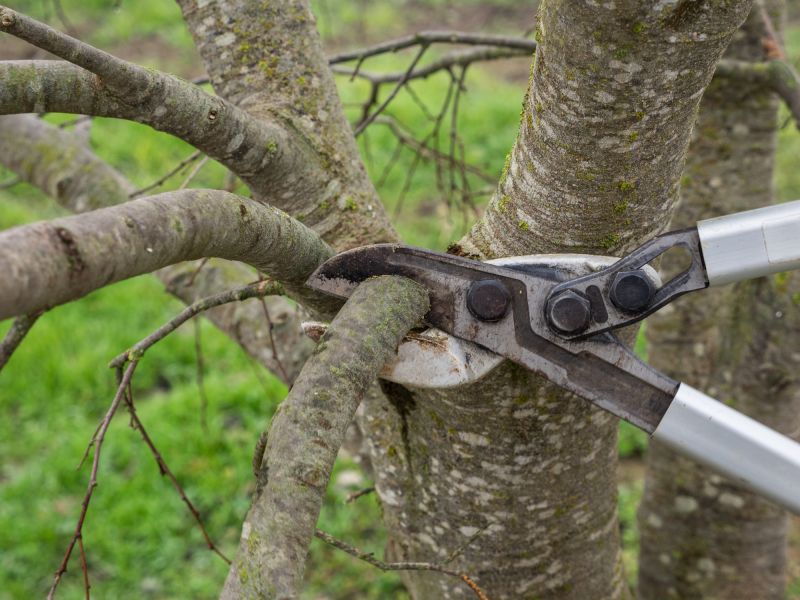
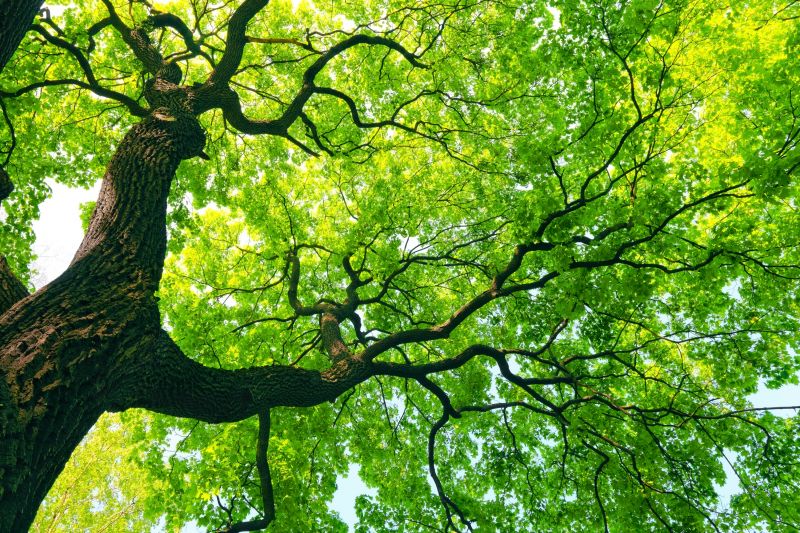
Tree canopy thinning services are often needed when property owners notice overgrown or dense branches that block sunlight, hinder views, or create safety concerns. In many cases, local contractors are called upon to carefully reduce excess foliage, helping to improve air circulation and prevent potential damage from heavy or unstable branches. These projects are common in neighborhoods where mature trees have grown extensively, and property owners want to maintain the health and appearance of their landscape without the risk of limbs falling or trees becoming too crowded.
Property owners may also seek tree canopy thinning to enhance the overall aesthetics of their yard or to comply with local regulations regarding tree growth. When trees become too dense, they can overshadow gardens and reduce the amount of natural light reaching the ground. Local service providers are available to assess the situation and perform thinning work that promotes healthier tree growth while giving the property a cleaner, more balanced look.
What is tree canopy thinning? Tree canopy thinning involves selectively removing branches to reduce the density of a tree’s upper foliage, improving air circulation and sunlight penetration.
Why might someone need tree canopy thinning? This service can help reduce the risk of falling branches, improve tree health, and allow more light to reach the ground below.
How do local contractors perform canopy thinning? Trained service providers assess the tree’s structure and carefully prune branches to achieve desired thinning while maintaining the tree’s stability.
Is tree canopy thinning suitable for all types of trees? It is generally suitable for mature or overgrown trees, but a professional evaluation can determine if it’s appropriate for a specific tree.
How can I find local professionals for canopy thinning services? Contacting local contractors through a lead generation platform can help compare options and connect with experienced service providers in the area.
Improve sunlight access - thinning tree canopies can increase sunlight reaching lawns and gardens, helping plants grow healthier and more vibrant.
Enhance safety and visibility - reducing dense branches can improve sightlines around walkways and driveways, making outdoor spaces safer.
Reduce wind resistance - trimming branches can lessen the impact of strong winds on trees, minimizing potential damage to property.
Support tree health - selective thinning helps prevent overcrowding, promoting stronger, healthier growth for trees over time.
If you are thinking about Tree Canopy Thinning for a property, this guide is meant to help you understand the work, the typical project types, and how different options might fit your plans.
When you are ready, you can use the quote form on this page to share a few details about your project. From there, local pros can review the basics and respond with options that match what you have in mind.